
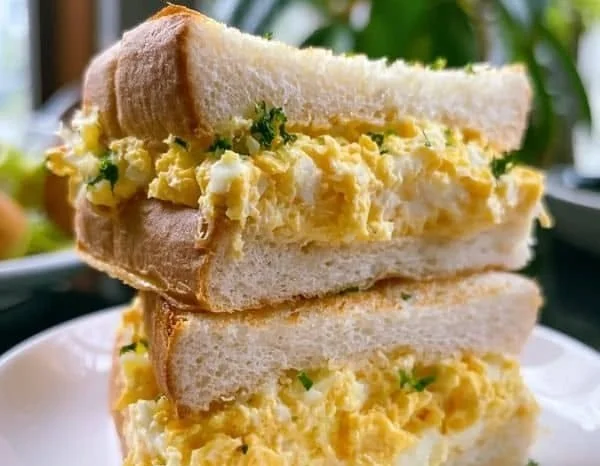
Authentic Japanese Egg Sandwich (Tamago Sando) | Quick Lunch
Authentic Japanese egg sandwich, or tamago sando, combines tender eggs, creamy Kewpie mayonnaise, and soft milk bread for a quick lunch. Gentle cooking preserves a rich, custardy yolk texture, while a little salt and optional rice vinegar create balanced flavor. For another portable lunch idea, compare this creamy filling with these easy grilled shrimp Caesar wraps.
Recipe Overview
| Detail | Information |
|---|---|
| Prep Time | 8 minutes |
| Cook Time | 7 minutes |
| Total Time | 15 minutes |
| Servings | 1 sandwich |
| Difficulty | Easy |
| Cuisine | Japanese |
Why This Recipe Works
This Japanese egg sandwich works because every ingredient supports the soft, rich character of the filling. I gently poach or steam the eggs instead of cooking them until firm, which keeps the yolks tender and creates a naturally luxurious texture.
I also mash the cooled eggs with a fork rather than blending them into a smooth paste. That approach preserves small pieces of yolk and white, giving the tamago sando a delicate texture similar to the sandwiches served in Japanese convenience stores.
Kewpie mayonnaise contributes a savory, egg-rich flavor that regular mayonnaise cannot fully replicate. Soft shokupan adds mild sweetness and a springy bite, while a small amount of rice vinegar sharpens the filling when the sandwich needs extra brightness.
Ingredients
| Ingredient | Quantity | Notes with Alternatives |
|---|---|---|
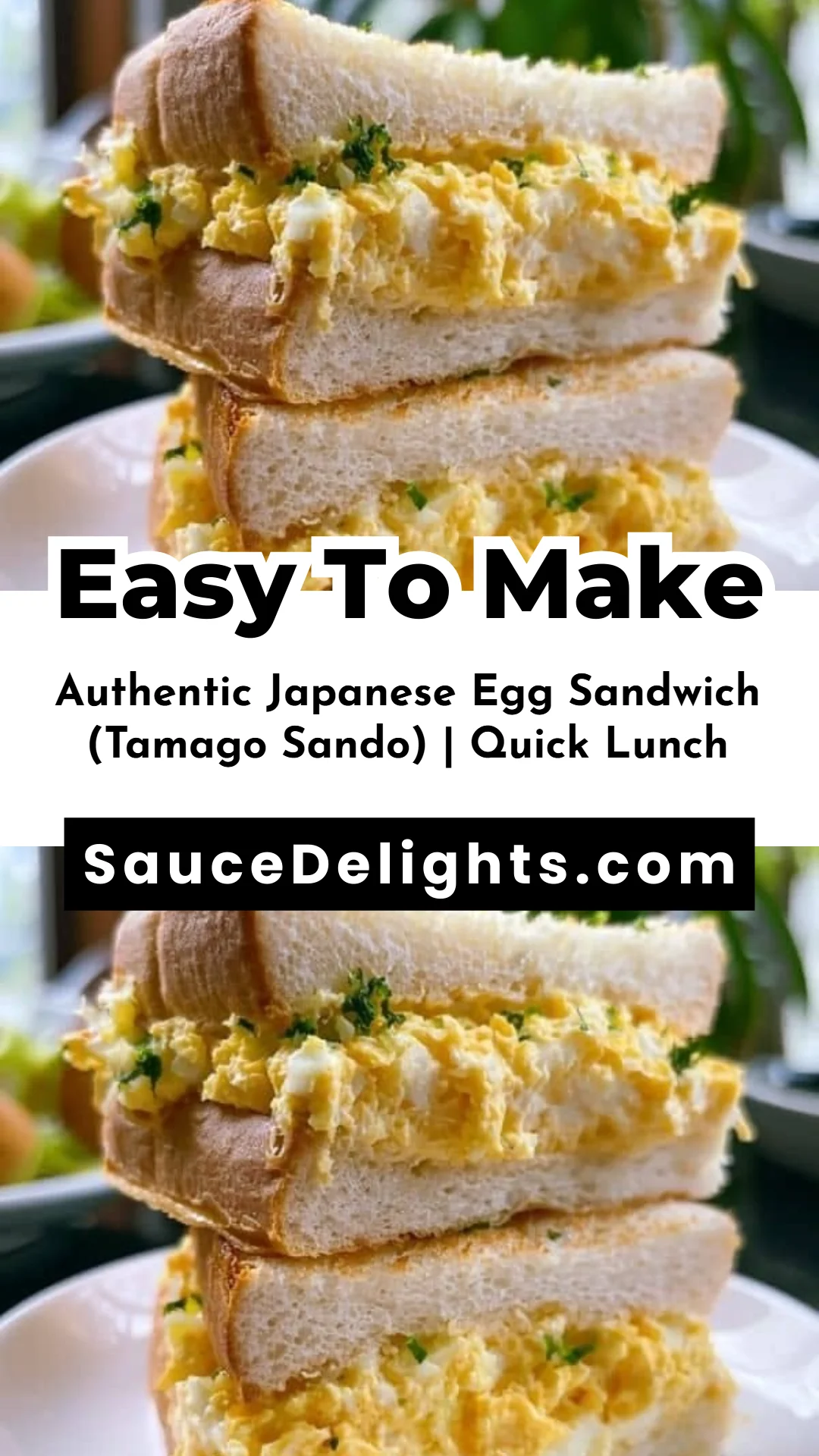
| Large eggs | 2 | Use fresh eggs for the best flavor and tender texture. |
| Kewpie mayonnaise | 1.5 tablespoons | Substitute yolk-only mayonnaise mixed with a small splash of rice vinegar. |
| Diamond Crystal kosher salt | 1 small pinch | Use slightly less fine salt because its crystals are denser. |
| Sugar | 1 teaspoon, optional | Adds the gentle sweetness associated with many Japanese-style egg fillings. |
| Japanese milk bread | 2 slices | Use shokupan for authenticity or grain-free bread for a keto-friendly option. |
| Rice vinegar | 1 teaspoon, optional | Add for acidity, especially when using a rich mayonnaise. |
Step-by-Step Instructions
Prepare the Eggs
- Heat water in a steamer or shallow saucepan until it reaches a gentle simmer.
- Poach or steam the eggs for 6 to 7 minutes, keeping the yolks tender and partially set.
- Cool the eggs under cold running water until they are comfortable to handle.
- Peel the eggs carefully, removing all shell fragments without damaging the whites.
Build the Filling
- Chop the eggs roughly and place them in a small bowl.
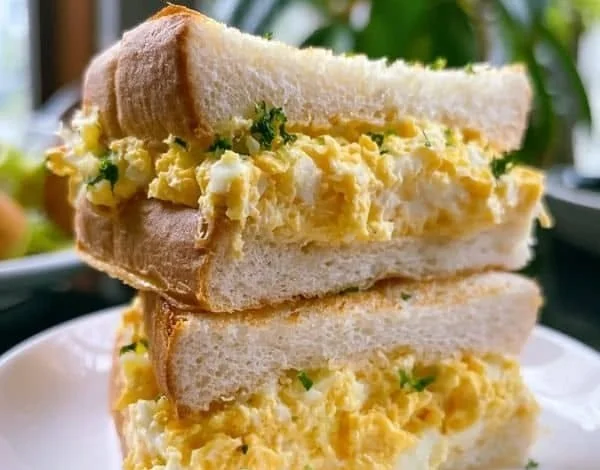
- Mash the eggs gently with a fork, leaving visible pieces of yolk and white.
- Mix in the Kewpie mayonnaise, kosher salt, and optional sugar.
- Season with rice vinegar if you prefer a brighter, more balanced filling.
Assemble the Sandwich
- Warm the shokupan in a toaster until lightly heated but still soft.
- Spoon the egg mixture evenly onto one slice of bread.
- Top the filling with the second slice, keeping the edges aligned.
- Slice the sandwich in half with a sharp knife and serve immediately.
Chef Tips for Perfect Results
- Use eggs at room temperature when possible, because they cook more evenly during the short 6-to-7-minute steaming period.
- Keep the water at a gentle simmer rather than a rolling boil, which can make the whites rubbery before the yolks reach the desired texture.
- Cool the eggs completely before mixing them with mayonnaise, since warm eggs can loosen the filling and make the bread soggy.
- Mash with a fork using only a few strokes, leaving small pieces intact for the classic Japanese egg sandwich texture.
- Start with the listed mayonnaise amount, then add more in half-teaspoon increments if the mixture seems dry.
- For a broader Japanese-inspired lunch spread, pair the sandwich with this fresh asparagus egg salad instead of serving it alone.
Common Mistakes to Avoid
- Overcooking the eggs: Firm, chalky yolks make the filling dry and dull. Cook for 6 to 7 minutes, then cool the eggs promptly to preserve a tender center.
- Over-mashing the mixture: A completely smooth paste loses the textural contrast that defines tamago sando. Mash gently and stop when the eggs form uneven, creamy pieces.
- Adding too much mayonnaise: Excess mayonnaise overwhelms the egg flavor and causes the filling to slide from the bread. Begin with 1.5 tablespoons and adjust sparingly.
- Using cold, stiff bread: Refrigerated bread can feel dense and mask the delicate filling. Warm the slices briefly in a toaster while keeping them soft.
- Seasoning too aggressively: Salt and vinegar become stronger as the filling rests. Add them gradually, taste once, and adjust before assembling.
Variations and Substitutions
| Ingredient | Substitution | Impact on Flavor |
|---|---|---|
| Shokupan | Grain-free or keto bread | Creates a lower-carbohydrate sandwich with a firmer, less airy bite. |
| Kewpie mayonnaise | Yolk-only mayonnaise with rice vinegar | Maintains richness while adding a clean acidic finish. |
| Rice vinegar | White wine vinegar | Provides similar acidity but a slightly sharper flavor. |
| Sugar | Omit completely | Produces a more savory filling with less Japanese-style sweetness. |
| Japanese milk bread | Soft white sandwich bread | Delivers a practical alternative with less sweetness and tenderness. |
For a vegetable-forward side, this quick asparagus casserole with hard-boiled eggs offers a warm pairing for a larger lunch. The casserole works especially well when you want the sandwich to become part of a fuller meal.
Serving Suggestions and Pairings
Serve the tamago sando immediately after assembly, when the bread remains warm and the filling tastes freshest. Cut it into halves or thirds for a tidy lunchbox presentation, afternoon snack, or casual picnic.
- Japanese-style lunch: Pair with miso soup, quick-pickled cucumbers, and unsweetened green tea.
- Convenience-store-inspired meal: Add potato chips, fruit, and a chilled barley tea.
- Office lunch: Pack the sandwich with cherry tomatoes and edamame for a balanced, portable meal.
- Weekend brunch: Serve alongside roasted asparagus, fresh fruit, and hot coffee.
- Afternoon snack: Cut the sandwich into small rectangles and pair it with sencha or hojicha.
Storage and Reheating
| Method | Duration | Instructions |
|---|---|---|
| Refrigerated filling | Up to 24 hours | Store the egg mixture in an airtight container and assemble with fresh bread. |
| Assembled sandwich | Up to 6 hours | Wrap tightly, refrigerate promptly, and keep chilled until serving. |
| Room-temperature serving | Up to 2 hours | Serve promptly and avoid leaving the mayonnaise-based filling warm for extended periods. |
| Reheating | Not recommended | Warm fresh bread separately; do not microwave the assembled sandwich because the filling can become rubbery. |
Nutritional Information
Approximate values.
| Nutrient | Amount per Serving |
|---|---|
| Calories | 390 |
| Protein | 17 g |
| Fat | 25 g |
| Carbohydrates | 25 g |
| Fiber | 2 g |
| Sodium | 560 mg |
| Sugars | 5 g |
Frequently Asked Questions
Can I make a Japanese egg sandwich without Kewpie mayonnaise?
Yes, yolk-only mayonnaise mixed with a small amount of rice vinegar makes an effective substitute. The filling remains creamy, although it has a slightly less savory and rounded flavor than one made with Kewpie mayonnaise.
What is the ideal egg doneness for tamago sando?
The ideal eggs have tender yolks that are mostly set but still moist in the center. Steam or poach them for 6 to 7 minutes, then cool them quickly to prevent carryover cooking.
How can I fix a watery Japanese egg sandwich filling?
Fix a watery filling by adding mashed egg white or a small amount of mayonnaise gradually. Avoid adding extra vinegar, and chill the mixture for 10 minutes before assembling.
Can I prepare tamago sando ahead of time?
Yes, prepare the egg filling up to 24 hours ahead and refrigerate it in an airtight container. Assemble the sandwich shortly before serving so the bread retains its soft texture.
What is the best way to serve a Japanese egg sandwich?
Serve tamago sando chilled or slightly cool, with the bread warmed briefly before assembly. Cut it cleanly and pair it with miso soup, green tea, pickles, or a light vegetable side.
Conclusion
Authentic Japanese egg sandwich, or tamago sando, delivers a quick lunch with tender eggs, creamy mayonnaise, and soft shokupan. The essential technique is gentle cooking followed by careful mashing, which preserves the filling’s rich texture. For additional perspectives, compare this method with Just One Cookbook’s tamago sando guide, Hungry Huy’s Japanese egg sandwich recipe, and this Japanese 7-Eleven-style egg sandwich. The result is a simple, satisfying sandwich defined by creamy yolk and gentle sweetness.
Print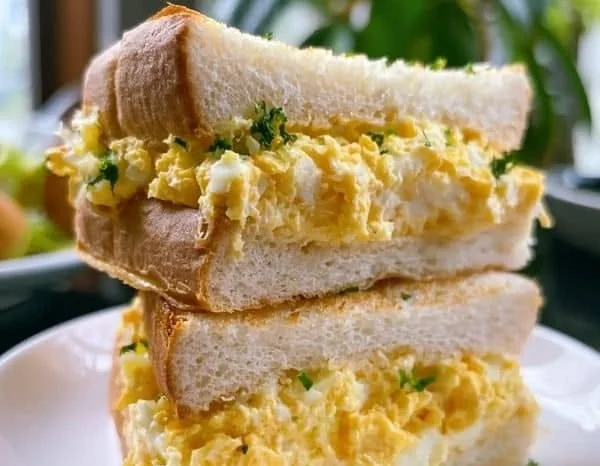
Authentic Japanese Egg Sandwich (Tamago Sando)
A quick lunch featuring tender eggs, creamy Kewpie mayonnaise, and soft milk bread, with a rich, custardy yolk texture.
- Total Time: 15 minutes
- Yield: 1 sandwich 1x
Ingredients
- 2 Large eggs
- 1.5 tablespoons Kewpie mayonnaise
- 1 small pinch Diamond Crystal kosher salt
- 1 teaspoon Sugar (optional)
- 2 slices Japanese milk bread
- 1 teaspoon Rice vinegar (optional)
Instructions
- Heat water in a steamer or shallow saucepan until it reaches a gentle simmer.
- Poach or steam the eggs for 6 to 7 minutes, keeping the yolks tender and partially set.
- Cool the eggs under cold running water until they are comfortable to handle.
- Peel the eggs carefully, removing all shell fragments without damaging the whites.
- Chop the eggs roughly and place them in a small bowl.
- Mash the eggs gently with a fork, leaving visible pieces of yolk and white.
- Mix in the Kewpie mayonnaise, kosher salt, and optional sugar.
- Season with rice vinegar if you prefer a brighter, more balanced filling.
- Warm the shokupan in a toaster until lightly heated but still soft.
- Spoon the egg mixture evenly onto one slice of bread.
- Top the filling with the second slice, keeping the edges aligned.
- Slice the sandwich in half with a sharp knife and serve immediately.
Notes
Use room temperature eggs for even cooking. Avoid overcooking the eggs to maintain a tender yolk.
- Prep Time: 8 minutes
- Cook Time: 7 minutes
- Category: Lunch
- Method: Steaming
- Cuisine: Japanese
- Diet: Vegetarian
Nutrition
- Serving Size: 1 serving
- Calories: 390
- Sugar: 5g
- Sodium: 560mg
- Fat: 25g
- Saturated Fat: 4g
- Unsaturated Fat: 6g
- Trans Fat: 0g
- Carbohydrates: 25g
- Fiber: 2g
- Protein: 17g
- Cholesterol: 30mg
Keywords: Japanese egg sandwich, tamago sando, quick lunch, Kewpie mayonnaise
1 thought on “Authentic Japanese Egg Sandwich (Tamago Sando) | Quick Lunch”